
Travel Guide: nigeria

nigeria travel guide

Why Visit Nigeria

Nigeria, often called the “Giant of Africa,” is a vibrant country full of diversity, culture, and energy. From the bustling megacity of Lagos with its nightlife and beaches, to the serene plateaus of Jos and the ancient walls of Kano, Nigeria offers a mix of urban excitement and natural beauty.

It’s a cultural powerhouse too—home to Nollywood (one of the world’s largest film industries), Afrobeat music, and a rich history that spans empires like the Yoruba, Benin, and Hausa kingdoms. For adventurous travelers, Nigeria delivers an authentic, colorful, and unforgettable experience.

Travel Guide Content

    • November – March → Dry season, great for festivals, sightseeing, and wildlife.

    • April – June → Hot with occasional rains, fewer crowds.

    • July – September → Rainy season, especially in the south, but still good for northern adventures.

    • October → Post-rain lush scenery, ideal for photography and festivals.

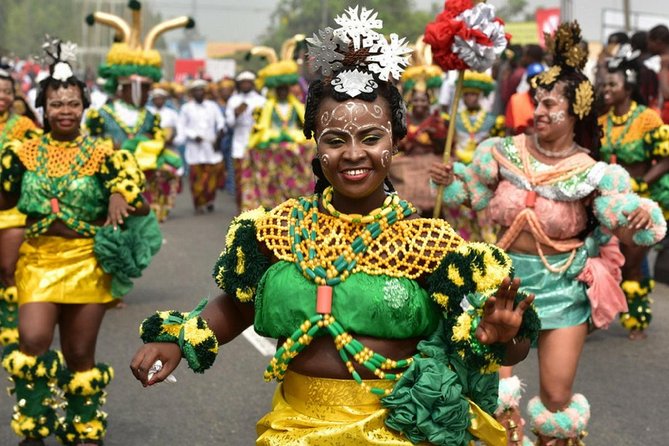
    💡 Tip: If you want to experience Nigeria’s vibrant culture, plan around festivals like Calabar Carnival (December) or Osun-Osogbo Festival (August).

1. Lagos

  • Tarkwa Bay & Elegushi Beaches for relaxation

  • Lekki Conservation Centre with its famous canopy walk

  • Nike Art Gallery & National Museum for culture

  • Victoria Island’s nightlife and fine dining

2. Abuja

  • Aso Rock & Zuma Rock (iconic geological wonders)

  • Millennium Park for green city breaks

  • National Mosque & National Christian Centre (stunning architecture)

3. Calabar

  • Famous Calabar Carnival (Africa’s biggest street party)

  • Drill Ranch for primate conservation

  • Qua Falls for scenic getaways

4. Kano

  • Ancient city walls and Emir’s Palace

  • Kurmi Market (one of Africa’s oldest markets)

  • Dala Hill with panoramic views

5. Jos Plateau

  • Cooler climate and breathtaking landscapes

  • Jos Wildlife Park and Assop Falls

  • Rock formations and hiking trails

Nigeria’s cuisine is bold, spicy, and varied—reflecting its over 250 ethnic groups.

Must-try dishes:

  • Jollof Rice (West Africa’s most famous dish, rice cooked in tomato stew)

  • Suya (spicy grilled beef skewers, street food favorite)

  • Pounded Yam & Egusi Soup (classic Nigerian comfort food)

  • Moi Moi (steamed bean pudding)

  • Akara (bean cakes, usually for breakfast)

Cultural Highlights:

  • Attend a live Afrobeat performance or Nollywood film premiere.

  • Visit a Yoruba or Hausa traditional festival for drumming, masquerades, and dance.

  • Explore local markets—colorful fabrics, crafts, and authentic street food.

Accommodation:

  • Budget: $15–25 (guesthouses, hostels)

  • Mid-range: $40–100 (3-star hotels, Airbnb)

  • Luxury: $150–500+ (boutique hotels, resorts in Lagos/Abuja)

Food:

  • Street food/local spots: $2–5 per meal

  • Mid-range restaurants: $8–20 per meal

  • Upscale dining: $30–50+ per meal

Transport:

  • Local buses (“danfo” in Lagos): $0.50–2

  • Ride-hailing (Uber/Bolt): $2–10 within cities

  • Domestic flights: $50–150 (Lagos to Abuja, Calabar, Kano, etc.)

Activities & Tours:

  • Day tours: $30–70 per person

  • National Park entry: $5–15

  • Cultural festivals: Free–$50 depending on access

💡 Savings Tip: Use ride-hailing apps (safer than local buses), eat at “buka” local food joints, and plan domestic flights early with airlines like Air Peace or Arik Air for the best deals.

Nigeria Travel Blog & Tips

Top 7 Tourist Attractions in Nigeria You Can’t Miss

Top 7 Tourist Attractions in Nigeria You Can’t Miss

Top 7 Tourist Attractions in Nigeria You Can’t Miss Looking for the best tourist attractions in Nigeria? Whether you’re a first-time visitor or a local traveler exploring more of your country, Nigeria offers an exciting mix of culture, nature, and modern city life. From buzzing Lagos to the peaceful hills of Obudu, this West African […]