
Travel Guide: Morocco
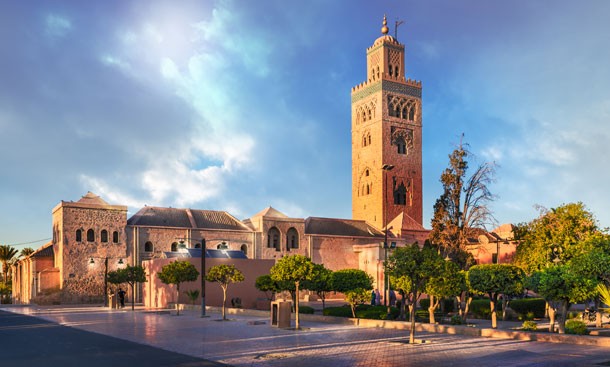
Why Visit Morocco
Morocco is a land of contrasts where ancient traditions meet modern energy. From the bustling souks of Marrakech to the blue-washed streets of Chefchaouen, the golden Sahara dunes to the snowy Atlas Mountains, Morocco offers a unique mix of adventure, history, and vibrant culture.
Whether you want to ride camels across the desert, explore royal palaces, or sip mint tea in hidden courtyards, Morocco is a destination that captures the senses and stays in your heart.
Travel Guide Content
March – May (Spring) → Pleasant weather, blooming landscapes, ideal for sightseeing.
September – November (Autumn) → Cooler temperatures, fewer crowds, great for desert trips.
June – August (Summer) → Very hot in the Sahara, but comfortable in coastal cities like Essaouira.
December – February (Winter) → Snow in the Atlas Mountains, great for trekking or skiing.
💡 Travel Tip: Avoid midsummer if heading to the desert (temperatures can reach 110°F / 43°C).
Marrakech
Jemaa el-Fnaa Square – A vibrant hub of storytellers, food stalls, and musicians.
Majorelle Garden – Famous blue garden once owned by Yves Saint Laurent.
Palaces & Souks – Bahia Palace, Saadian Tombs, and endless spice markets.
Fes
Fes el-Bali (Medina) – A UNESCO World Heritage site with maze-like streets.
Al Quaraouiyine University – The world’s oldest existing university.
Tanneries – Iconic colorful leather dyeing pits.
Chefchaouen
The Blue Pearl – Famous for its blue-painted streets and stunning mountain backdrop.
Hiking Trails – Explore the Rif Mountains.
Sahara Desert (Merzouga & Zagora)
Camel Treks – Sunrise and sunset over golden dunes.
Luxury Desert Camps – Star-filled skies and Berber hospitality.
Casablanca & Rabat
Hassan II Mosque (Casablanca) – One of the world’s largest mosques.
Rabat Medina & Oudaias Kasbah – A blend of history and coastal beauty.
Atlas Mountains
Trekking in Imlil – Gateway to Mount Toubkal, North Africa’s highest peak.
Berber Villages – Authentic cultural experiences.
Moroccan cuisine is world-famous for its flavors, spices, and slow-cooked meals. Expect a rich blend of Arab, Berber, Mediterranean, and French influences.
Must-try Moroccan dishes:
Tagine – Slow-cooked stew (lamb, chicken, or vegetables).
Couscous – Fluffy semolina grains served with meat, vegetables, and broth.
Pastilla – Savory-sweet pastry stuffed with pigeon or chicken, nuts, and cinnamon.
Harira Soup – Lentil and tomato-based soup, often eaten during Ramadan.
Mint Tea – Known as “Moroccan whiskey,” it’s served everywhere.
Culture highlights:
Explore souks filled with spices, carpets, and handmade goods.
Experience Berber music and desert drumming.
Visit a traditional hammam (bathhouse) for relaxation.
Accommodation
Budget: $10–25 (hostels, budget riads).
Mid-range: $40–100 (traditional riads, boutique hotels).
Luxury: $150–400+ (luxury riads, desert lodges, resorts).
Food
Street food: $2–5 per meal.
Mid-range restaurants: $8–15 per meal.
Upscale dining: $25–50+.
Transport
Petit Taxi: $1–3 per ride within cities.
Intercity Bus/Train: $5–20 (Marrakech–Fes, Casablanca–Marrakech).
Desert Tours: $80–200 (2–3 days Sahara trip with camel trek).
Attractions
Majorelle Garden: $7–10.
Hassan II Mosque: $10–12.
Guided Medina Tours: $20–50.
💡 Savings Tip: Stay in riads (traditional guesthouses) instead of hotels, eat at local food stalls, and book desert tours directly from Marrakech or Fes to save middleman fees.